Hello, this question is "probably" not appropriate for this forum. I want to migrate my entire business away from Microsoft, to Linux in it's entirety. Where there are apps that can only run on Windows, then in those cases, we would add a windows enterprise OS or server to the linux domain, and not the other way around.
Having said that, I am aware of the Zorin article regarding how to migrate an entire "fleet" of machines to Zorin - which I would love to do. However, this isn't as complete as I would like to be. This article only replaces the desktop environments, which is fantastic by the way - but I want to go further, and replace the entire Microsoft ecosystem on the back-end.
So, before I go down that road of replacing desktops, I would want to build an entirely new Linux environment back-end server environment. After reviewing our complete application stack, there are only TWO applications that would still require Windows to run, which we could run on either an enterprise W11 license, or a Server 2025 license in a vm.
Here's what I would like to do.
Build a new linux LDAP server environment
Create users
Install a Linux based email server
Create a one-way trust from the existing Windows AD environment (Windows trust Linux, not the other way around)
Migrate any other users to Linux LDAP
Move mailboxes to new Linux environment
Migrate workstations (windows based initially) to new Linux LDAP
Stand up new Zorin Pro workstations to replace Windows desktops
Shutdown old Microsoft environment for good.
Having said this as a very basic plan - maybe it's doable, maybe it's not (I have to believe this is very doable)...What I AM interested in is RESOURCES...Learning...Instructios...Recommendations...Things to look out for...Links to pages...Books to read, study...Case studies of orgs that have done this already...You get the idea...
Professionally speaking, I would recommend contacting a local MSP (Managed Service Provider) to help you transition your business from Microsoft to a *nix only environment.
There is so much here that will need to be done on the backend. This is a massive undertaking (if it's done right). I would never recommend anyone to attempt this without the know-how. The cost to the business for possible down-time, or other service affecting issues could be financially devastating to the business. You really want professionals involved to advise you of all the unforeseen issues, and really, you want to have them do this for you.
That's my two cents anyway. Take it for what it's worth.
Agreed with replies above. This is a big undertaking and would pose a significant risk to business continuity. You should seek professional advice.
I would also suggest you mitigate some risk by initially setting up a *nix environment as a trial, to run in parallel with your existing MS environment. That would enable system testing and operational shake-down, whilst maintaining a working business system. Do take your time and seek advice.
Thanks for the replies so far. This might help. Pretend I'm a professional chef. I know how to cook, at a gourmet level, very well. In fact, I could do everything I already asked about using other ingredients without a thought. What I'm looking for is new recipe's that I haven't seen before with a different set of ingredients to achieve a similar outcome. I can handle the rest. If I'm looking in the wrong place (and that may very well be the case here), fair enough, I'll look elsewhere.
I think this would be a good starting point for your core LDAP service:
Regarding mail migration, I recommend to host all mailboxes on a cheap Linux virtual server at some hosting service, managed by Plesk. This saves you from setting up DNS, SMTP and IMAP.
Then migrate the mailboxes from Exchange via imapsync:
This is something you should do first: Migrate mails and kick Exchange.
The continue with migrating AD to LDAP.
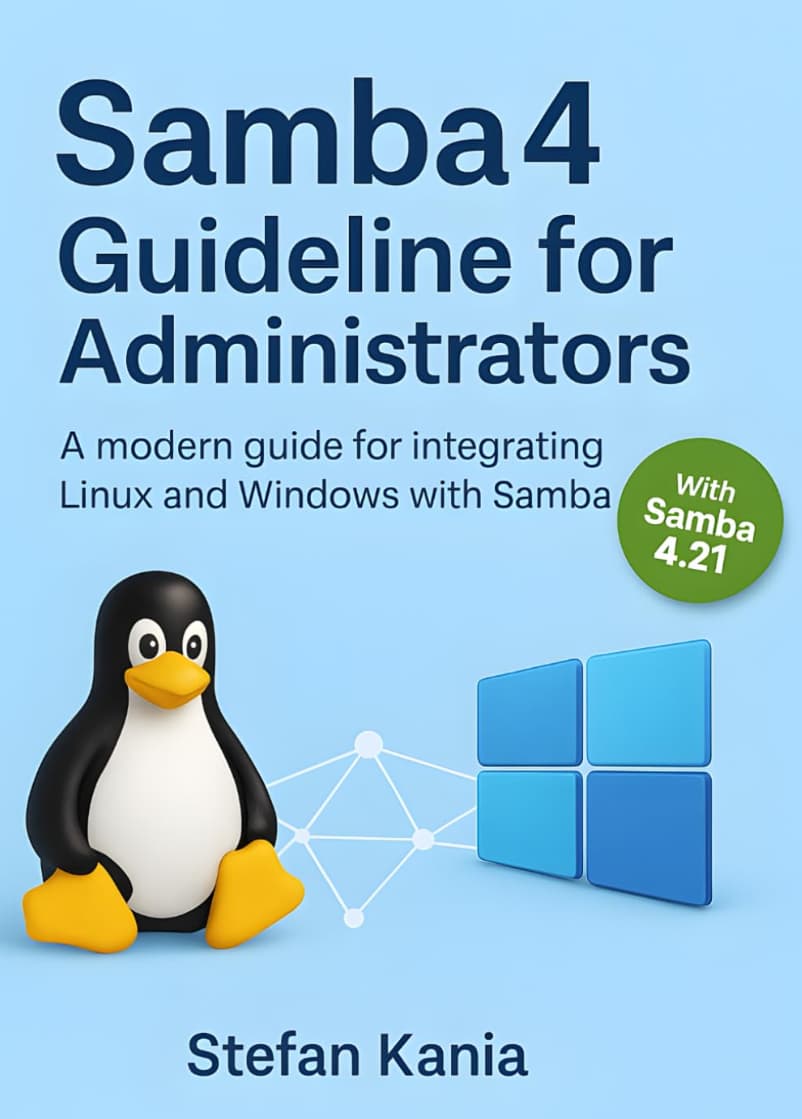
I am still digging around for potential pathways to my ultimate goal. I reviewed the table of contents of the book entitled "Samba 4 guidline for administrators: A modern guide for integrating Linux and Windows with Samba" published in September of 2025, only a few months ago. It appears to answer the questions I've posed here. If anyone still has any input, I'd still like to hear it, but this might be what I'm looking for.